
The widespread adoption of autodialing technology by businesses in Connecticut raises significant data privacy concerns due to stringent consumer protection laws. An autodialer attorney is crucial for ensuring compliance with regulations like the CT Privacy Act and TCPA, protecting consumer data, and maintaining market trust. Best practices include robust security protocols and transparent consumer control over personal information. These attorneys guide businesses through legal challenges related to autodialing, advocating for strict data privacy standards.
In today’s digital age, autodialing technologies are transforming how businesses connect with customers. While this enhances communication efficiency, it also raises significant data privacy concerns. This article explores the intricate relationship between autodialing and consumer protection, focusing on Connecticut’s legal framework. We delve into best practices for safeguarding sensitive information and highlight the crucial role an autodialer attorney plays in navigating data privacy cases. Understanding these dynamics is essential for businesses aiming to stay compliant and build trust with their customers.
The Rise of Autodialing and Data Privacy Concerns

The increasing adoption of autodialing technology in recent years has brought about significant advancements in customer engagement for businesses worldwide. This innovative tool allows automated, high-volume phone calls to be made, enhancing sales and marketing efforts. However, with great power comes great responsibility, particularly when it comes to data privacy. As more companies turn to autodialers, concerns regarding consumer information protection have surged.
In the digital age, customer data is a valuable asset, and businesses must navigate the legal complexities of handling personal details responsibly. Connecticut, known for its robust consumer protection laws, has seen an influx of cases involving unauthorized use of autodialers and unethical data collection practices. An autodialer attorney in Connecticut plays a pivotal role in ensuring that companies adhere to privacy regulations, safeguarding client rights and maintaining public trust.
Legal Framework for Data Protection in Connecticut
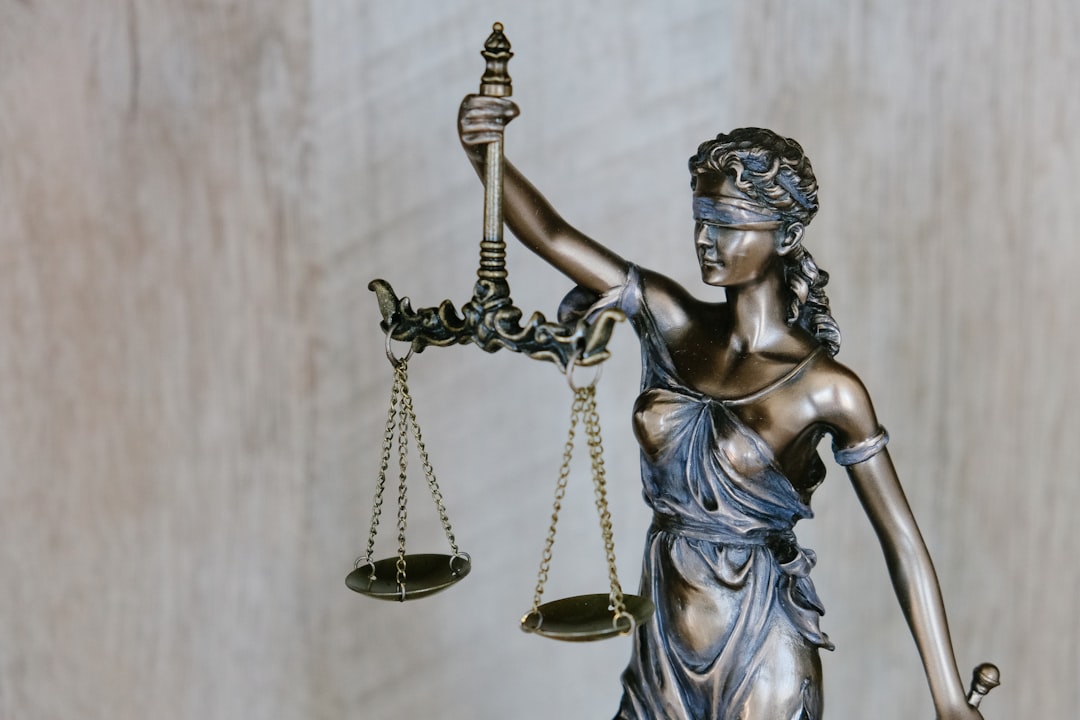
In Connecticut, the legal framework for data protection is robust and stringent, particularly in the context of autodialing services. The state has implemented strict regulations to safeguard personal information, ensuring that businesses handling customer data operate within ethical and legal boundaries. These laws are designed to protect consumers from privacy invasions and data breaches, especially when it comes to automated phone calls.
An autodialer attorney in Connecticut plays a vital role in navigating these regulations. They guide businesses on complying with the Connecticut Privacy Act and other relevant data protection laws. This includes ensuring that autodialing campaigns obtain proper consent, adhere to do-not-call lists, and respect individual privacy rights. By adhering to this legal framework, companies can avoid potential fines and maintain a positive reputation in the market while effectively utilizing autodialing technology.
Safeguarding Consumer Information: Best Practices

In the realm of autodialing, where consumer interactions are automated and personalized, safeguarding personal data is paramount. Consumers trust that their information, including contact details and preferences, will be handled with discretion. An autodialer attorney in Connecticut emphasizes the importance of robust data privacy measures to maintain this trust.
Best practices involve implementing stringent security protocols, such as encryption for data storage and transmission, accessing consumer records through secure interfaces, and regularly auditing access logs. Furthermore, companies should ensure compliance with relevant data protection regulations, like Connecticut’s Consumer Data Protection Act (CDPA), which grants consumers control over their personal information. Promptly addressing data breaches, providing transparent notifications, and allowing individuals to opt-out of data collection are essential steps in upholding privacy rights within autodialing operations.
The Role of an Autodialer Attorney in Data Privacy Cases

In the realm of data privacy, especially with technologies like autodialers, the role of an autodialer attorney in Connecticut becomes paramount. These legal experts are instrumental in safeguarding individuals’ and organizations’ rights to privacy by ensuring compliance with relevant laws such as the Telephone Consumer Protection Act (TCPA). An autodialer attorney in Connecticut helps navigate complex regulatory landscapes, providing guidance on how businesses can effectively utilize autodialing systems while respecting consumer rights.
Their expertise extends to handling data privacy cases that arise from autodialing activities, including but not limited to unauthorized calls, misdirected messages, and violations of do-not-call lists. They offer strategic advice on risk mitigation, policy formulation, and dispute resolution. Should legal issues surface, these attorneys represent clients in negotiations, mediations, or court proceedings, ensuring fair outcomes that uphold data privacy standards.